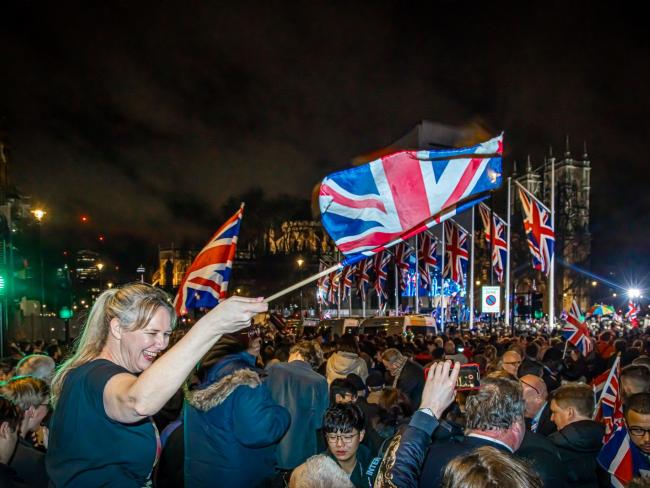
Jubilation in Parliament Square at the end of January 2020 as Britain finally leaves the EU. Photo Alexey Federenko/shutterstock.com.
Ten years after the announcement of a referendum on EU membership, Workers looks back at the struggle…
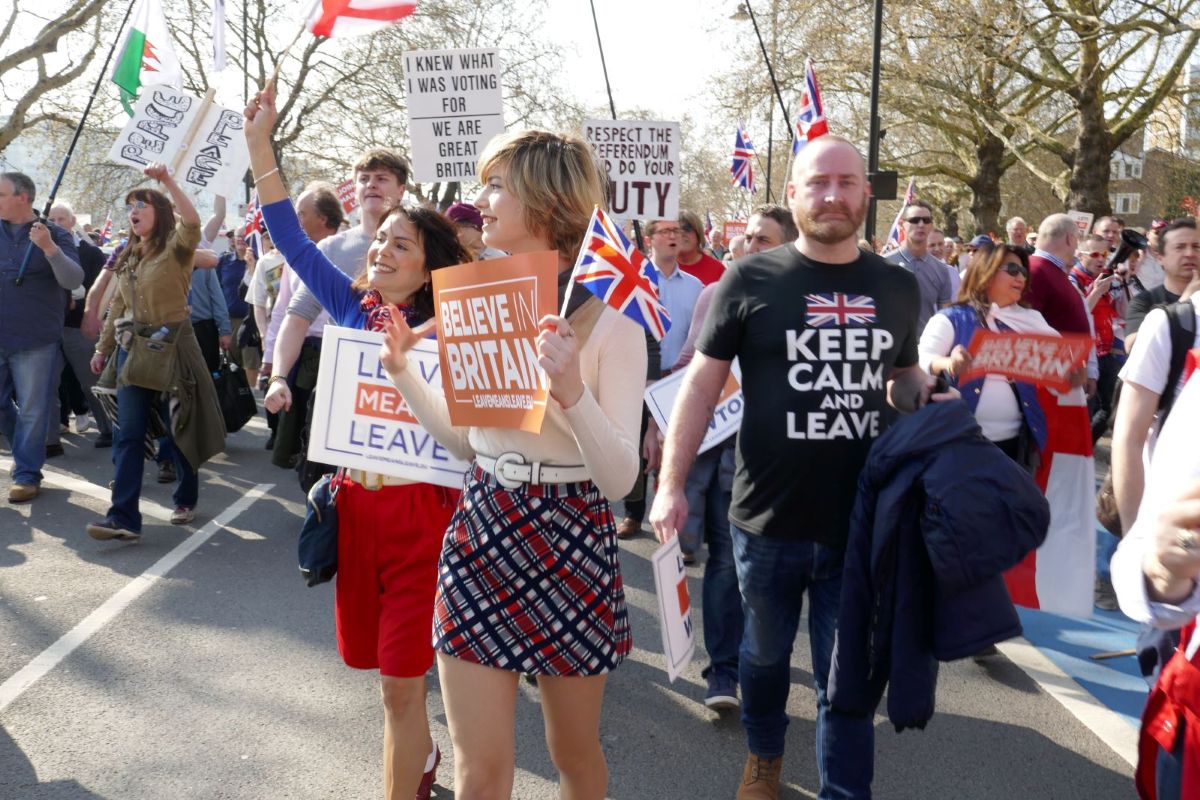
Prime Minister David Cameron, desperate to put a lid on the rising calls to leave the EU, went cap in hand to a meeting of the European Council on 18 and 19 February 2016, returning with a deal he said would address the “frustrations” of the British people.
The next day, he announced a date for the referendum – 23 June. The stage was set.
The struggle was intense, and was to be prolonged – more than anyone could have imagined – as successive governments dragged their feet.
The BBC “called” the referendum at 4.40 in the morning of 24 July. “The British people have spoken,” said David Dimbleby with a grave face, “and the answer is, we’re out.”
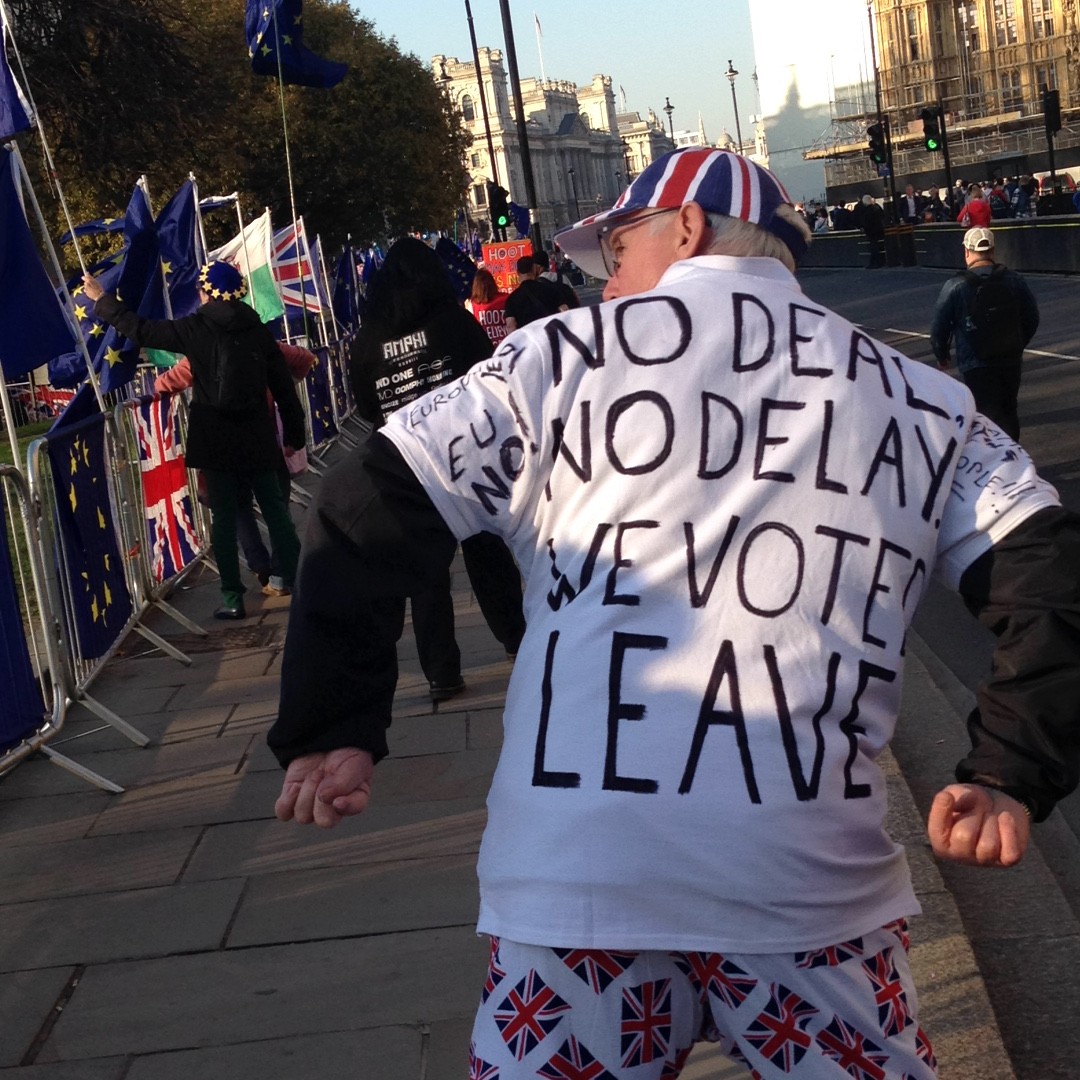
In fact, it took three-and-a-half years. Independence Day, as many called it, was 31 January 2020, celebrated by a huge crowd in Parliament Square and in pubs and clubs and homes across the country.
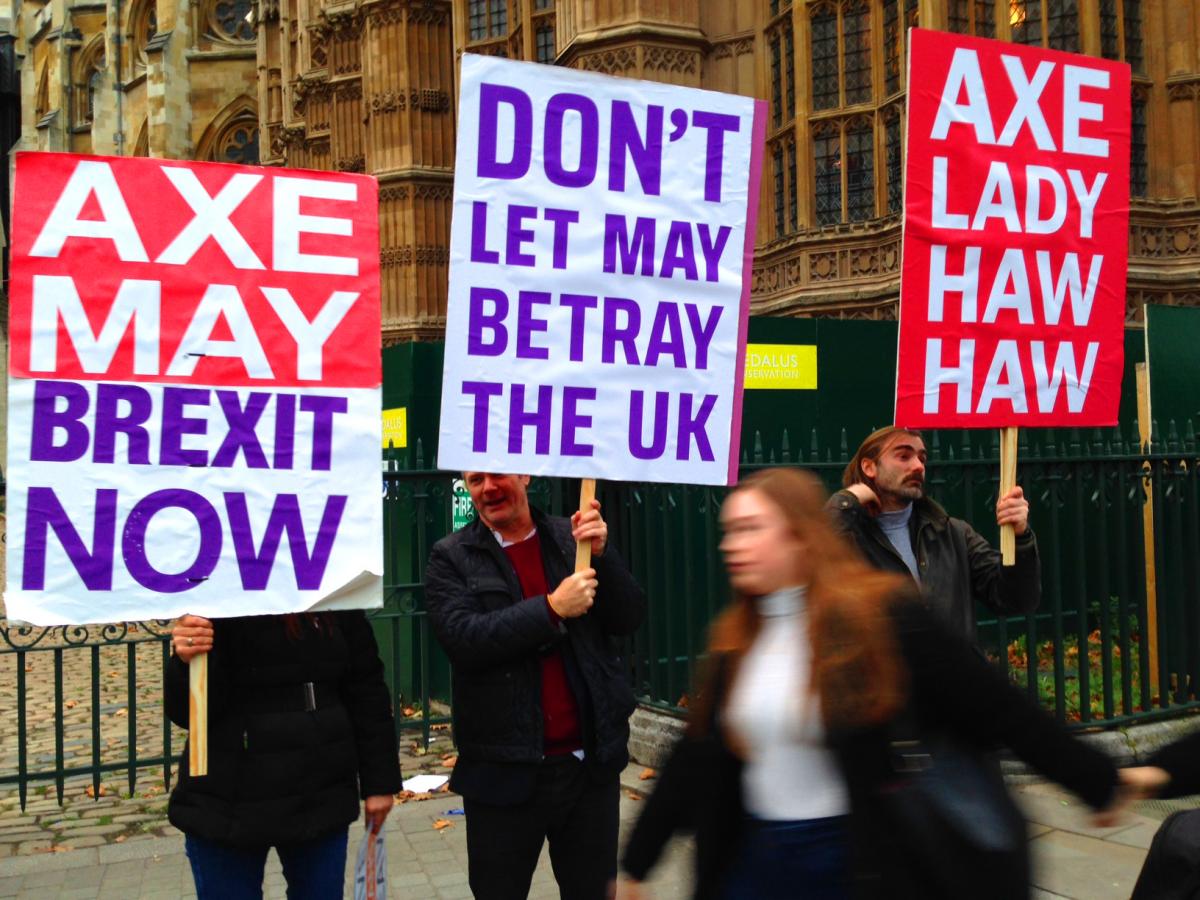
The intervening period was filled with a protracted battle to stop parliament denying the result of the referendum.
In the run-up to the vote, Cameron and said he would trigger Article 50, the formal process of leaving, “straight away”. But the only thing he did straight away was to resign.
It took eight months for Cameron’s successor, Theresa May, to invoke Article 50. When she annunced her resignation in May 2019, it was left to Boris Johnson.
And now, of course, the Labour government under Keir Starmer is trying to creep back in. The struggle continues.