
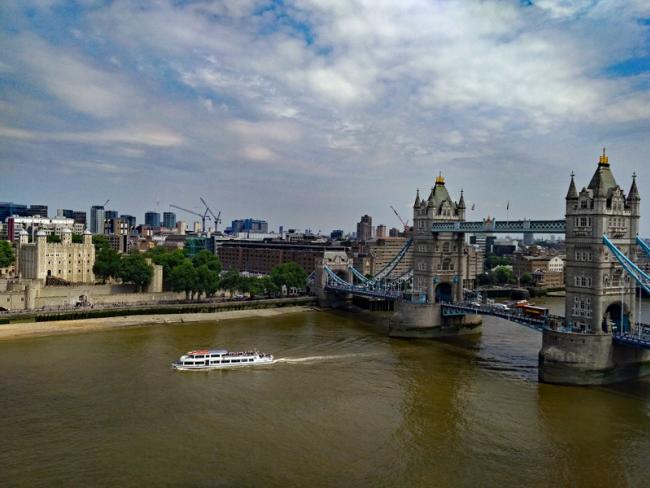
Tourist magnet: with almost as many visitors to London coming from inside Britain as from overseas, a tourist tax would hit British workers hard. Photo Workers.
In August Prime Minister Andy Burnham announced an English “tourist tax” on overnight stays as part of his devolution plans. This is more significant than it appears.
Powers to levy this tax will go to new strategic authorities or the increasing number of directly elected mayors. Since 2024 Scottish councils have been able to impose a Visitor Levy. But Scotland does not have mayors with executive powers.
The English charge will not be a simple flat rate. It is designed to be voluntary and uncapped, the rate will vary from authority to authority, mayor to mayor. As well as the 42 million overseas tourists, it will apply to British citizens, even if they work or live in the same council area. Small businesses and cash-strapped working class families will take the greatest hit.
Revenues will be invested locally, at the behest of those mayors and strategic authorities, less accountable than the councils they replace. According to a report in The Times on 23 October, Burnham made it clear that his plan is for mayors to introduce the tax, even if councils object.
The plan has already generated divergence between competing areas of England, with Labour’s ten regional and “metro” mayors promising to cap the tax at 5 per cent after warnings from the hospitality industry that jobs could be put at risk.
There is no up-to-date set of figures on which to base such a complicated plan. Surveys based on the ONS Passenger Survey for 2024 were used by the organisation Tax Policy Associates to estimate a resulting fall of six million bed-nights in taxed accommodation, and lost spending between £46 million and £1.5 billion.
Whatever the potential merits locally, compared with the overall size of the British economy and taxation, the levy will raise only a small amount. The move appears to be driven by a belief in devolution for its own sake rather than by national economic policy.