
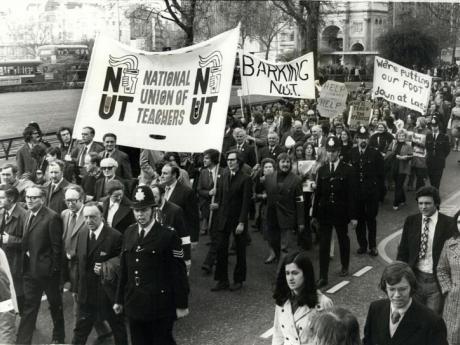
1972 -1974: The London Allowance campaign
Astronomic rises in house prices and rents, young teachers unable to live in the capital, a staffing crisis in the schools. Sounds familiar?
Astronomic rises in house prices and rents, young teachers unable to live in the capital, a staffing crisis in the schools. Sounds familiar?
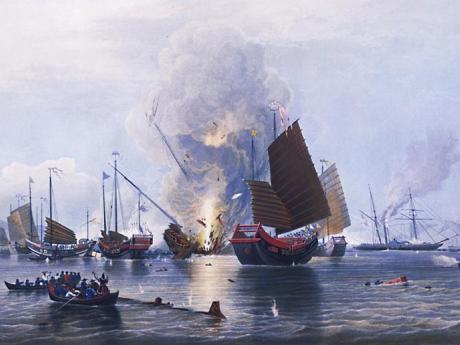
Extracted from poppies, opium is a highly addictive drug, though it can serve as a medicine. By the end of the 17th century, non-medicinal drug use of opium had appeared in China, particularly around the port of Canton (now know as Guangzhou), where most foreign merchants traded.
28 July 2015
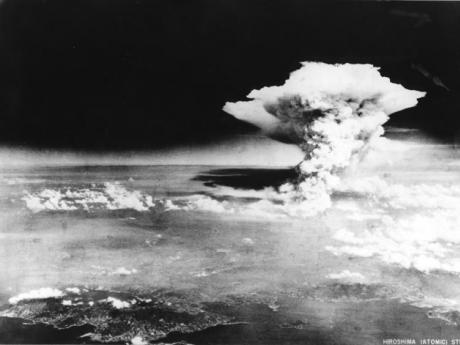
Seventy years ago, in August 1945, America exploded atomic bombs over two Japanese cities. Controversy still rages as to why they were used and whether these weapons should have been authorised. The USA remains the only state to have deployed nuclear weapons in warfare.
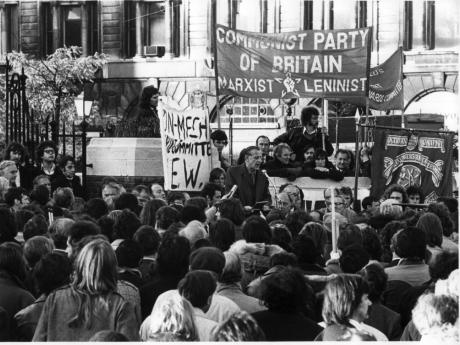
The first thing the 1970 Conservative government did was to introduce an anti-trade union bill. The engineering workers’ union led the opposition and finally won out in 1974, a political earthquake that shook the whole country.
8 May 2015
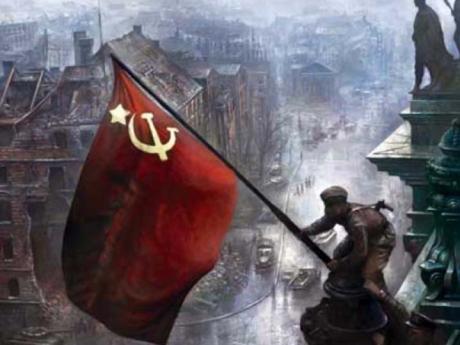
The Soviet Union bore the brunt of the Second World War in Europe, which ended with the defeat of fascism 70 years ago on 8 May 1945. The balance of class forces shifted away from capitalism for a few post-war decades...
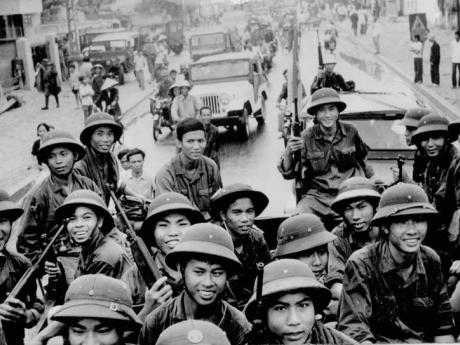
Vietnam’s long struggle for independence culminated in victories for this small country against the military might of France and of America…
22 February 2015
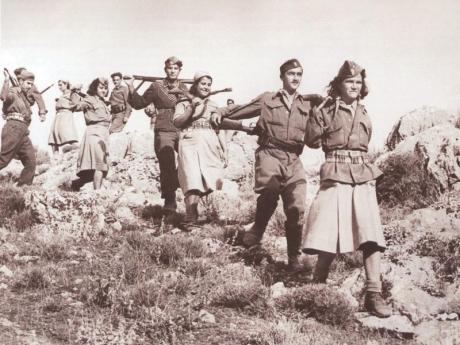
Britain’s repressive role in the world remains for many a hidden history. One such episode occurred in Greece, after that country had been liberated from the Nazis…
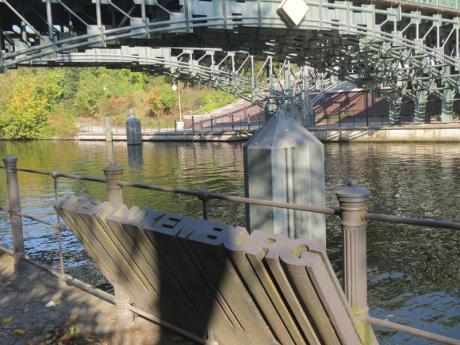
Apart from the odd rhetorical flourish, the Second International never aspired to be a revolutionary organisation, unlike the First. It left no worthwhile legacy.
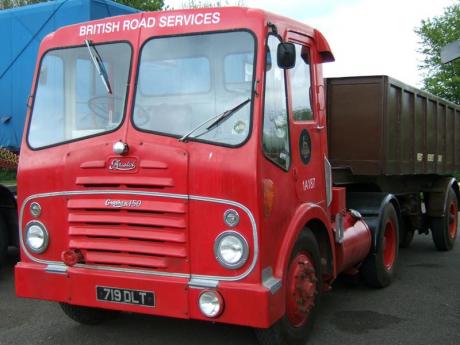
Thatcher did not start the roll back of postwar nationalisation. Capitalism’s unease at state control of the British economy surfaced as early as 1953…
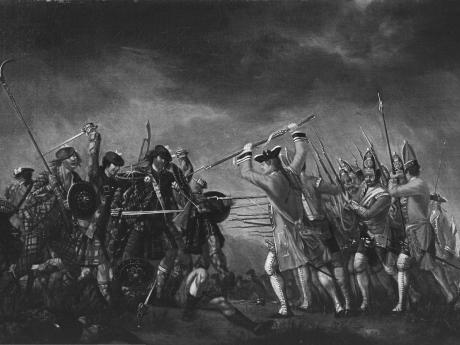
Great Britain was born as a state in 1707. In essence, the Treaty of Union was a formal recognition of the ascendancy of capitalism over feudalism in all of this country. Once united, the combined resources and talents of the two countries were at the service of capital.
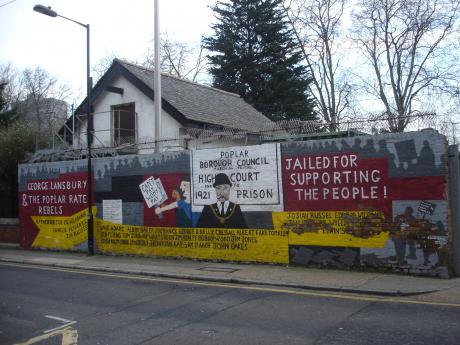
The aim of the Poor Laws was always to punish the poor. By the start of the 20th century that policy was beginning to erode. But it took working class resistance to finish them off.
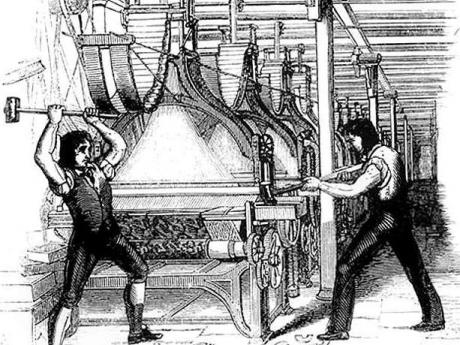
It was during the first half of the 1800s that a nationally organised working class first emerged throughout Britain with centres in for example Sheffield, Birmingham, Leeds, Nottingham, Glasgow and the West Country.
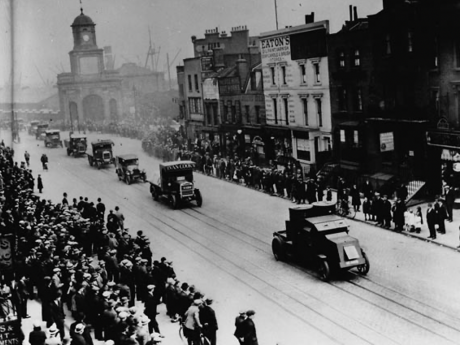
At a time when some are calling for a General Strike we need to get clearer about what happened last time there was one in Britain…
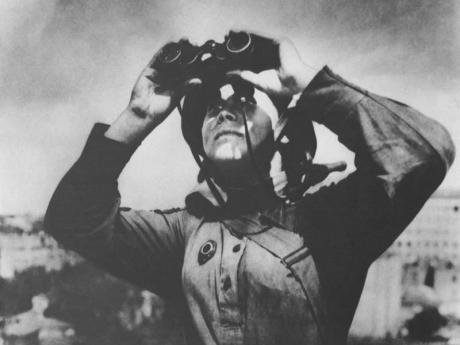
Seventy years ago the world held its breath as Nazi troops came up to the gates of the Soviet Union’s capital city... It was not only the greatest battle in the Second World War but also the largest battle ever fought between two armies.
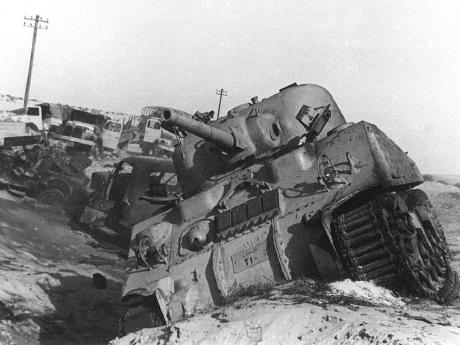
The Suez Crisis and ensuing war saw a fundamental change in both imperialist alignments and nationalist movements in the Middle East.
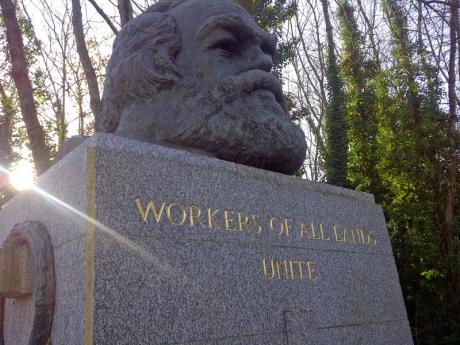
The International Workingmen’s Association united a variety of different political groups and trade union organisations to further the prospects of the working class.
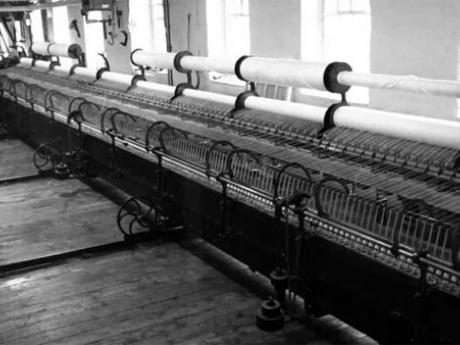
Luddite machine breaking began in 1811 in the hosiery districts of the Midlands counties but quickly spread. More and more factories began installing machinery and increasingly handloom weavers were thrown out of work.
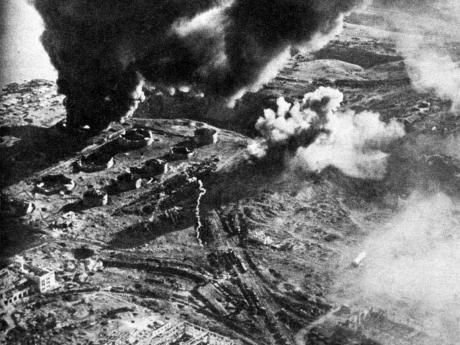
In late 1942 and the beginning of 1943, the most momentous battle in modern history was fought out in a city on the Volga River – Stalingrad. On its outcome rested the fate of the world.