
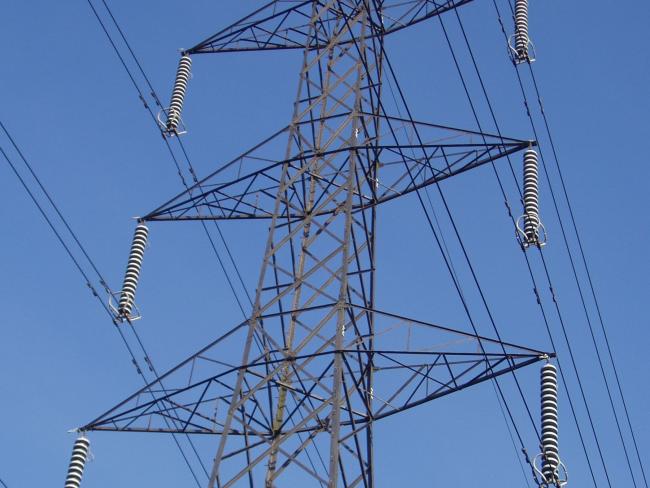
Something odd is happening with the national grid. Details are emerging about potential failures by the National Energy System Operator (NESO), the government owned body charged with keeping the power on.
The stability of the national electricity supply is paramount. Unplanned power cuts or voltage drops are not just inconvenient – they are costly and potentially life-threatening.
Reports
Two reports have just been published into events this June. One was the result of an independent investigation into whistleblower allegations of corporate interference in operational decisions on 23 June. The other was an Ofgem preliminary technical report on how the grid coped during the heatwave.
The allegations of interference were not substantiated, but the investigation turned up significant issues with record keeping and procedures that NESO management has agreed to rectify.
No mitigation
More important was the finding that five network constraints (physical limitations on the system) had been breached with no options to mitigate them, as well as confusion about the potential impacts.
This is serious: respected industry consultants Watt-Logic question whether NESO can claim with any certainty that the grid was secure if its engineers cannot say what a fault would do to the grid at any moment.
Heatwave
Ofgem has been unable to confirm that the electricity supply was secure. It is still investigating what NESO did during the heatwave.
“The absence of a blackout does not demonstrate that the grid was secure…”
This is also serious. As Watt-Logic point out, “The absence of a blackout does not demonstrate that the grid was secure, whatever NESO and [the Department for Energy Security an Net Zero] might claim”.
A major incident with the grid supply occurred at Heathrow in March last year, revealing maintenance shortcomings, and raising questions about oversight by the regulator.
Massive impact
But disruptive though that was for the airport and the local area, a far more widespread power outage occurred in August 2019.
A relatively short interruption created a massive impact: over a million people and businesses lost power and there were delays across the rail network for three days.
Complex
The subsequent government report laid out the complex nature of managing the electricity supply and made recommendations for increased resilience. As the report noted, resilience is important given the shift to renewables as a result of its drive to net zero.
That was borne out in April 2025 when Spain and Portugal suffered nationwide blackouts lasting around 10 hours. A massive voltage surge stranded tens of thousands on public transport systems, caused car crashes as traffic lights shut down, and left emergency services uncontactable.
Blackouts
This April the UK government issued new rules aiming to cope with such emergencies – the Electricity Supply Emergency Code. It would initiate short notice rolling blackouts affecting 90 per cent of electricity users to manage a prolonged disruption – such as a large outage at a high-voltage power import cable (known as an interconnector).
The implication is that relying on imported power could mean major power outages if that power import fails or is cut off.
Indeed, Watt-Logic believe that the systemic errors such those that occurred on 23 June, and the reliance on interconnectors, make it far more likely that the emergency code would be invoked.