
28 October 2026
The failure of privatised water companies seems unstoppable. Concerned local people try to take action, but run up against ineffective regulators.
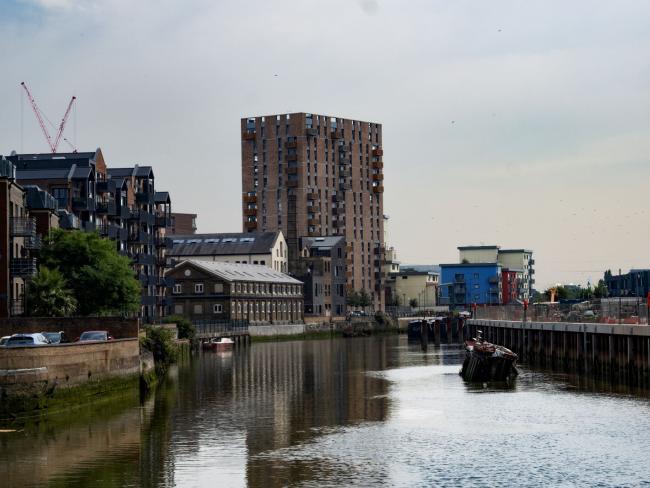
Over 600 million litres of sewage flow into east London’s River Roding every year. Responding to this scandalous situation, environmental bodies Thames21 and the River Roding Trust monitored over 70 outfalls and tributaries of the river for six months.
‘Damaging’
Paul Powesland, chair of the Trust, said, “The River Roding is now the first river in England where we know the location of all the illegal sewage outfalls and, crucially, can scientifically rank them in order of harm. We now need Thames Water and the Environment Agency (EA) to fix the most damaging illegal outfalls as a matter of emergency.”
This raises question. Why have none of England’s privatised water companies ever conducted such an essential survey? Why has the Environment Agency never done this vital work?
“Chronic illegal sewage outfall…causing visible pollution along the river…”
Powesland observed, “The Royston Gardens outfall is a chronic illegal sewage outfall that usually pours 260,000 litres of sewage a day into the river adjacent to Wanstead Park. However, for reasons unknown, the volume has increased, causing visible sewage pollution along the river…”
The EA can prosecute many offences in connected with its statutory functions. These include environmental protection, pollution prevention and regulatory oversight.
A recent court case against a former CEO of Southern Water confirmed the EA’s powers. It has been informed about the River Roding situation, but has not – so far – used its prosecutorial powers against Thames Water.
Questions
Thames Water says that most of the pollution is due to sewer misconnections and faulty drainage infrastructure. That merely raises further questions.
Why has Thames Water consistently failed to ensure that private developers build good connections with its sewerage system. And why has it not invested enough to ensure that the local sewer network actually works.
No plan
Thames Water apparently has no plan of action to stop the ongoing pollution. That is unsurprising with a debt-ridden company owned by a group of US hedge funds.
Thames Water says that it may take a year even to complete a programme of identifying the sources of pollution. Thames wants to leave things to the developers, and takes no responsibility for ensuring that this happens.
But a survey is unnecessary because concerned local people have already organised themselves to do the work which Thames should have done!