
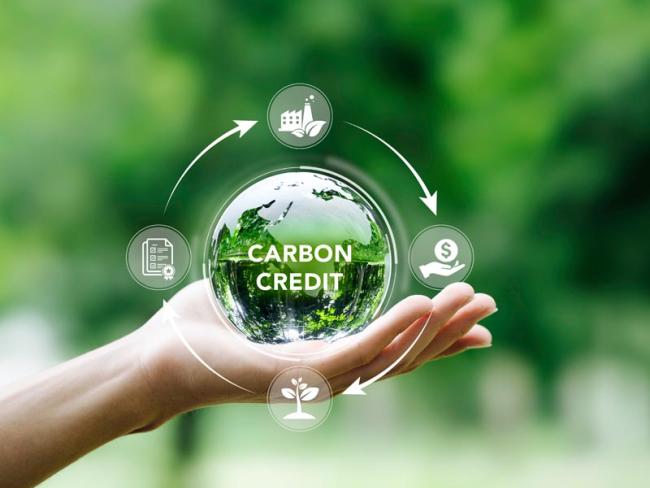
Manufacturers and landowners earn carbon credits by making a product that reduces or removes greenhouse gases, or developing a project such as tree planting, or protecting threatened forest land or peat bogs, that contribute to removing greenhouse gases.
A simple way is to make an electric car. In 2023 Tesla made $2.76 billion by selling carbon credits, given for making electric cars, to what are called “legacy” car manufacturers. That figure was up more than half on the previous year – even though it sold fewer vehicles and overall profits fell by a quarter.
Since 2017, selling carbon credits alone has earned Tesla over $12 billion.
You can also get carbon credits by buying them. Which is what “legacy” car manufacturers have to do because they simply cannot meet the demands placed on them by governments. Chrysler is reported to have spent over $2.4 billion buying carbon credits from Tesla.
In Britain, which produces so few electric vehicles, we have a rigged market that forces companies making cars here to buy carbon credits (without which they will be fined mercilessly). What’s more, they are buying them in part from foreign companies selling electric vehicles in Britain. That’s primarily Tesla and Chinese manufacturers like BYD and Polestar.
It’s a system that hoovers up productive value and transfers it to a financial carbon credit product – in effect, a tax by finance capital on production.
• Related article: Net zero: a money machine for finance capital