
Their profit, our loss
This issue we review two books which show clearly where the wealth that workers create is going…
This issue we review two books which show clearly where the wealth that workers create is going…
26 February 2016
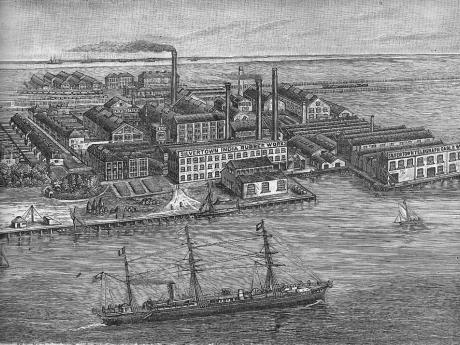
The historian and novelist John Tully tells the story of a forgotten strike of 1889. This book brings the struggle of those workers back to life and gives an insight into how our class developed into an organised labour movement.

13 February 2016
Concorde was a great British engineering achievement. This book tells the story and explains the significance of Concorde for British engineering against the backgound of industrial decline.

23 November 2015
A book by eminent researcher Sir Michael Marmot shows that people at relative social disadvantage suffer worse health and live shorter lives and gives evidence about how that can be prevented.

23 November 2015
The WikiLeaks files of US State Department cables reveal how the US government operates in world affairs. This book provides a thorough analysis of the different ways the US government keeps its power.
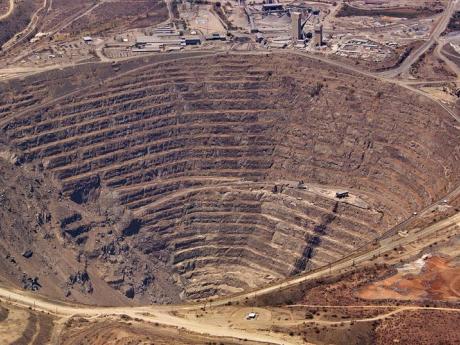
This study by investigative journalist Tom Burgis about the systematic looting of Africa’s riches gives us case studies of the theft of Africa’s resources. It covers Angola, the Democratic Republic of Congo, Nigeria, Guinea, Niger, Ghana, South Africa and Zimbabwe.

Experience of untrammelled markets in recent decades has put capitalism in such bad odour that many people are desperately searching for other ways of organising life.

25 August 2015
This book by Christian Felber, an economist and university lecturer in Austria, outlines an “alternative” to the economic chaos and social suffering caused by financial capital. Some of his ideas are utopian; but there’s also stimulating thought about how to mitigate capitalism’s callousness.

26 July 2015
All parliamentary parties hold the view that very rich people are good for the economy. By implication workers can only hope to have crumbs from the table. That’s never been a convincing argument – and this book from Andrew Sayer shows how the opposite is true.
Unemployment benefits account for just 4 per cent of Britain’s welfare budget. But 75 per cent of us thought that they account for 40 per cent or more. Myths have consequences. Playing on such false belief makes it easier to justify cutting the welfare budget.

A study from an American university puts the claims about TTIP’s benefits to the test – and finds disastrous consequences for jobs, wages and government spending.

29 May 2015
The paper that won the Institute of Economic Affairs’ 2014 Brexit Prize argues that Britain could thrive outside the EU by improving our links with the rest of the world

26 May 2015
A well-researched book makes the case for expanding nuclear power and explains why alternatives are not practical.

16 May 2015
This revealing account shows how NATO's actions have helped the rise of the jihadi terrorist organisation the Islamic State of Iraq and the Levant (ISIS).
2 May 2015
This excellent book, recently updated, is a manual of policy-making and implementation. It analyses many of the most conspicuous policy disasters committed by governments in recent decades.
2 May 2015
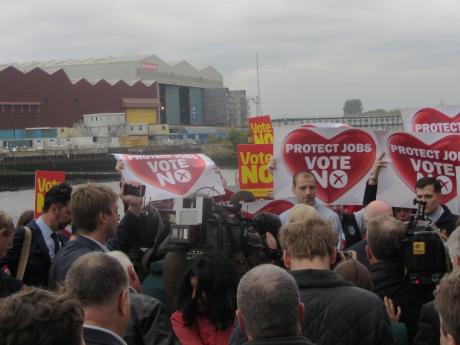
This biography of the new SNP leader by David Torrance is well-informed and full of ideas. His is both appreciative and critical of his subject. His objectvity brings out the flaws in the SNP position.
16 March 2015
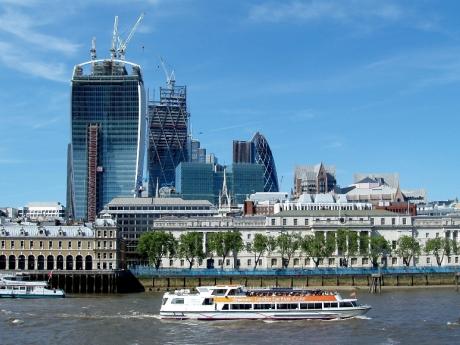
A new book exposes the devastating impact of austerity across society, though it places too much faith in restoring the lost world of social democracy.
Professor Mariana Mazzucato has made a fascinating study of the roles of the state and private enterprise in innovation. Her book challenges the false image that business is innovative while the state is full of inertia.

Naomi Klein, author of The Shock Doctrine and No Logo, has written another challenging book. In this one, the Canadian author and journalist shows how capitalism is destroying our environment.
7 February 2015
A fascinating book studies the respective roles of the state and private enterprise in innovation. It challenges the false image that businesses are an innovative force while the state is not, and shows the opposite is closer to the truth.

Novelist and journalist James Meek outlines how foreign companies have taken over much of our infrastructure
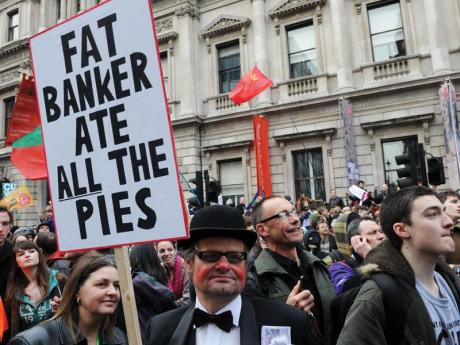
This book from a professor of international political economy recounts the intellectual and practical history of austerity and judges it a dangerous disaster. The author shows that austerity does not work as advertised. It does not reduce debt and does not promote growth; instead budgets are cut, economies shrink.
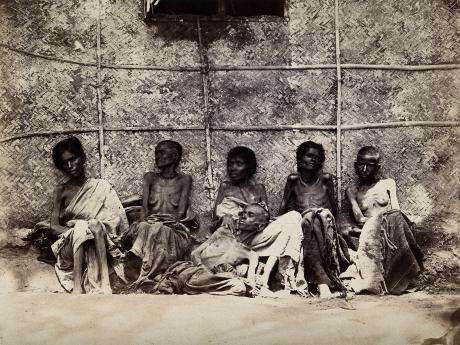
This historical survey of British foreign policy since 1870 shows it to be a consistently malign force in international affairs.

A new book by an Oxford professor subjects religious claims and attitudes to rational, scientific examination...