
Taking on the union myth-makers
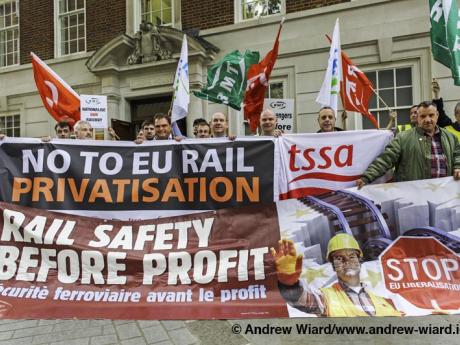
Just about every union in Britain has policy opposing privatisation. Many are committed to fighting TTIP. It is the EU that is spearheading these attacks on workers.
Just about every union in Britain has policy opposing privatisation. Many are committed to fighting TTIP. It is the EU that is spearheading these attacks on workers.
5 October 2015
The announcement that the Conservative trade unionists organisation, disbanded over 25 years ago, is to be reconstituted should show everyone in the trade union movement just how weak and desperate government really is.
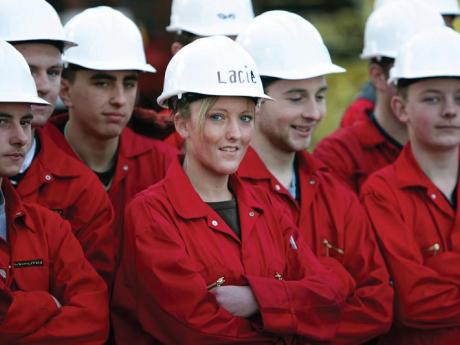
Young people are not enthused by traditional politics – but that doesn’t mean they are apathetic. Harnessing and directing interest where young workers have economic power is not easy.
New restrictions on the right to strike, including a 50 per cent voting threshold for union ballot turnouts, plus in some “essential public services” 40 per cent of those entitled to vote must vote for industrial action.
The Trade Union Bill announced in the Queen’s Speech has resurrected every wish-list governments ever had of smashing the working class. It embodies every anti-worker measure they’ve previously tried to implement and every shred of vindictive class hatred they have had in their ranks reaching back to day one of modern capitalism.
We have said that the main danger of fascism in Britain comes from the heart of the establishment, parliament. If you doubt this, take a look at the Trade Union Bill announced in the Queen’s Speech.
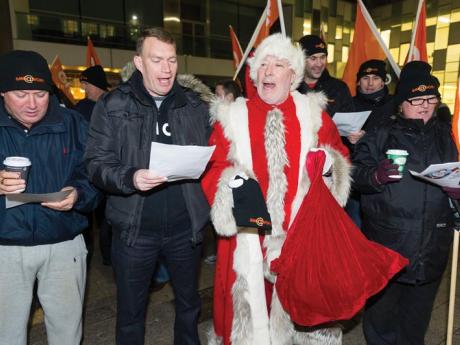
The short dispute among waste collection vehicle drivers in Barking and Dagenham ended with a return to work. One lesson of the setback is that unions must work together.
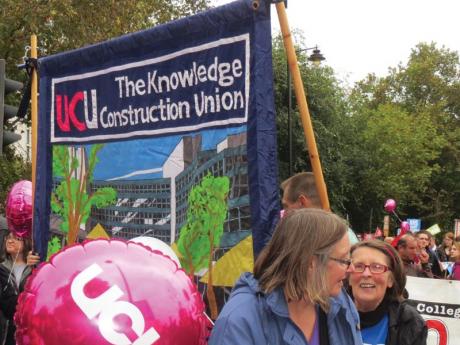
As Workers goes to press, the Higher Education Committee of the University and College Union will be meeting to discuss the results of its consultative pay ballot.
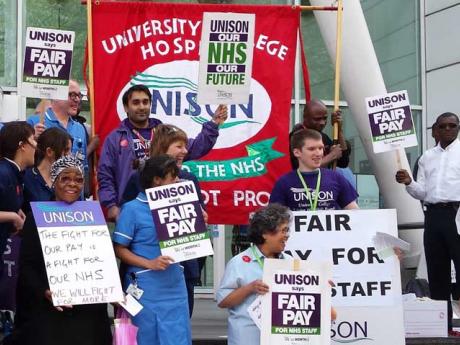
The most significant result of Unison's national executive council elections was the turnout – down 25 per centy on the previous elections, and an average turnout of just 5.6 per cent.
6 March 2015
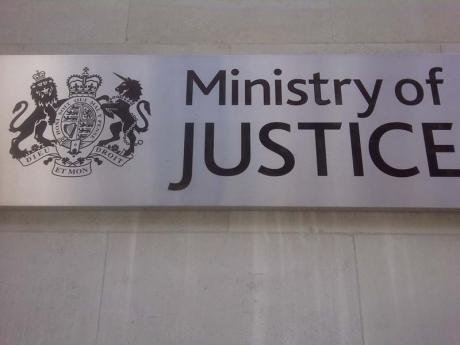
In a further extension of goverment attacks on trade unionism in the Civil Service, the Ministry of Justice says it will no longer collect members’ subscriptions as part of the payroll function.
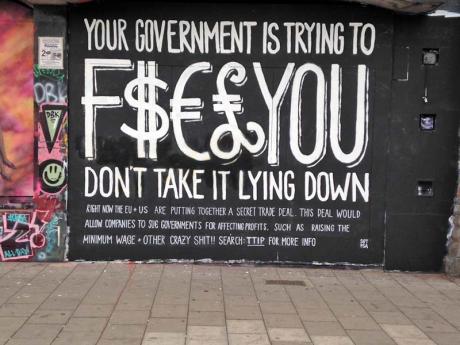
Many unions are opposing the proposed transatlantic trade and investment treaty – while supporting the EU and endorsing its exclusive right to negotiate TTIP on our behalf.
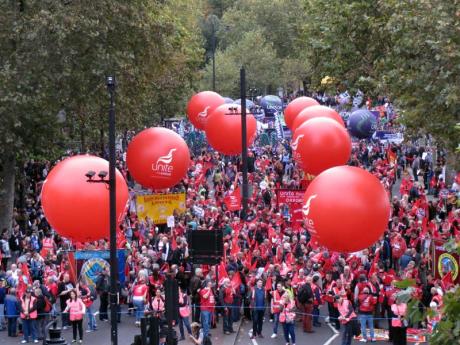
This October’s TUC national demo will have a single concrete demand: Britain Needs a Pay Rise. It's a welcome change from vague calls such as the March for the Alternative.
The Bruce Carr investigation into trade unions following the 2013 Grangemouth refinery dispute has flopped. Unable to provide an evidence-based argument, Carr has thrown the towel in.
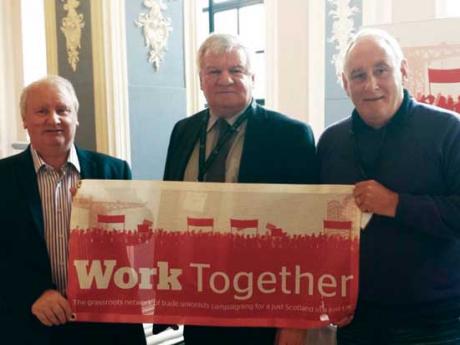
THE SCOTTISH TUC in Dundee in April saw the National Union of Mineworkers, ASLEF, Community, USDAW and GMB, with help from CWU and Musicians’ Union delegates, Work Together and United with Labour, organising a standing-room-only fringe event – featuring powerful calls for working class unity.
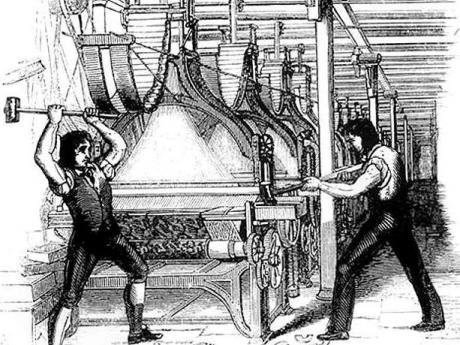
It was during the first half of the 1800s that a nationally organised working class first emerged throughout Britain with centres in for example Sheffield, Birmingham, Leeds, Nottingham, Glasgow and the West Country.
The Communist Party of Britain Marxist-Leninist held its 16th Congress in late 2012, a coming together of the Party to consider the state of Britain and what needs to happen in the future. Here we set out briefly six Calls to Action for the British working class.
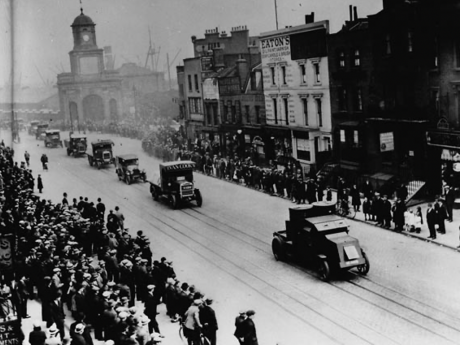
At a time when some are calling for a General Strike we need to get clearer about what happened last time there was one in Britain…
How did previous working class gains materialise? Improvements and reforms came out of past struggle and campaigns by organised workers.
What were our origins as a working class? The British working class was the first in the world to emerge out of the land, the first to become an overwhelming majority.
The Future is Ours
Political statement from the Communist Party of Britain Marxist-Leninist, 14th Congress, London April 2006. At the 2003 congress the Party laid out an analysis of the state of Britain and the class which has been utterly borne out by events. The questions for us to consider now are: Where do we go from here? What has changed? How do we strike out for a future?
Political statement from the Communist Party of Britain Marxist-Leninist, 14th Congress, London April 2006. At the 2003 congress the Party laid out an analysis of the state of Britain and the class which has been utterly borne out by events. The questions for us to consider now are: Where do we go from here? What has changed? How do we strike out for a future?
Peace, Jobs, Power
Political statement from the 13th Congress of the CPBML, London, 21/22 April 2003. Capitalism is now in terminal decay, unable to feed, clothe, house, provide work for or meet the needs of the people of this country. From seeming synonymous with manufacture, capital is now its antithesis.
Political statement from the 13th Congress of the CPBML, London, 21/22 April 2003. Capitalism is now in terminal decay, unable to feed, clothe, house, provide work for or meet the needs of the people of this country. From seeming synonymous with manufacture, capital is now its antithesis.