
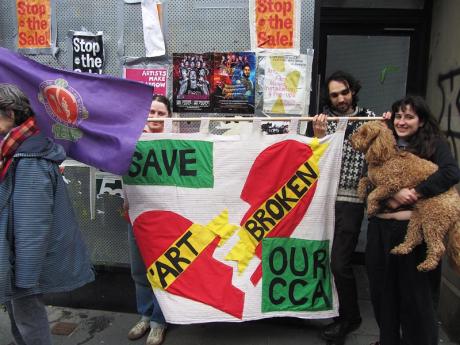
Glasgow cuts resisted
Glasgow City Council – run by the Scottish National Party – was forced to reverse its money-saving policy of “fire and rehire” in October
Glasgow City Council – run by the Scottish National Party – was forced to reverse its money-saving policy of “fire and rehire” in October
Artificial intelligence is touted as a means to boost economic growth. It is of course a great step forward and has great potential. But workers – especially in the creative industries will have to find ways to exercise control…
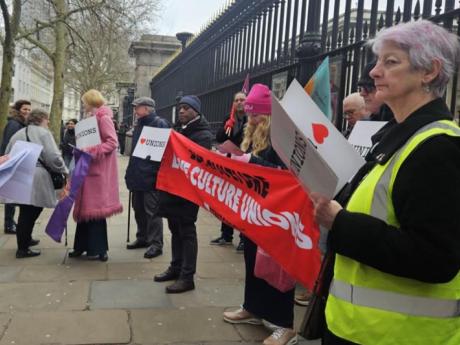
Workers in the arts continue their fight to reverse decades of cuts in government funding. The Arts and Minds Campaign wants the arts and literature to be restored to the schools core curriculum.
25 February 2025
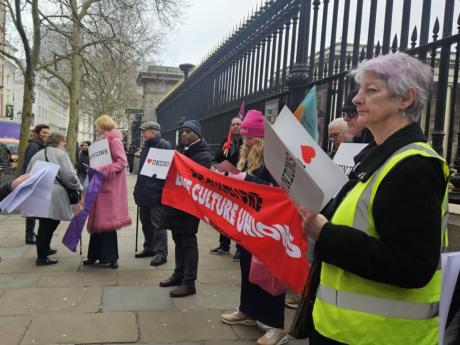
Workers in the arts continue their fight to reverse decades of cuts in government funding. The Arts and Minds Campaign is calling for arts and literature to be restored to the schools core curriculum, and fully funded.
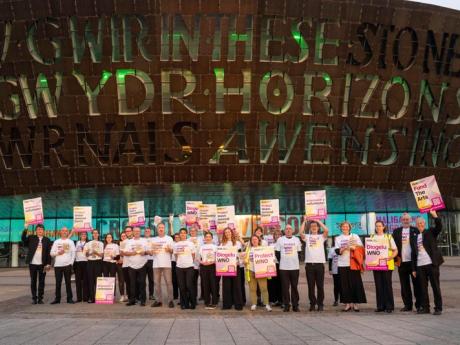
Struggle is under way to reverse decades of decline in culture funding. From Cardiff to Nottingham, from Edinburgh to Birmingham and beyond, those who work in the arts are fighting for their future…
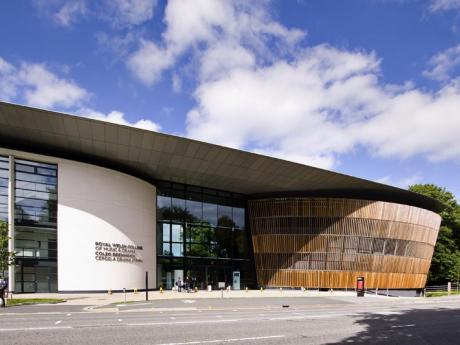
Arts education provision across Britain is suffering from continuing cuts including instrumental music, drama and visual arts.
23 October 2024
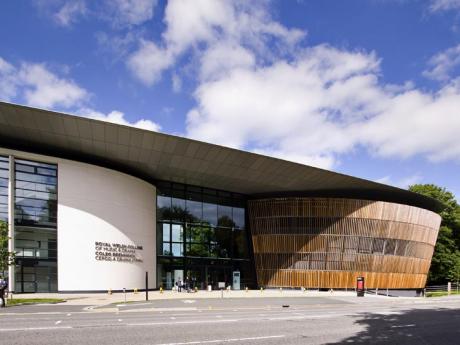
Arts education provision across Britain is suffering from continuing cuts including instrumental music, drama and visual arts. Workers in arts and education are trying to build campaigns to counter this decline.
22 October 2024
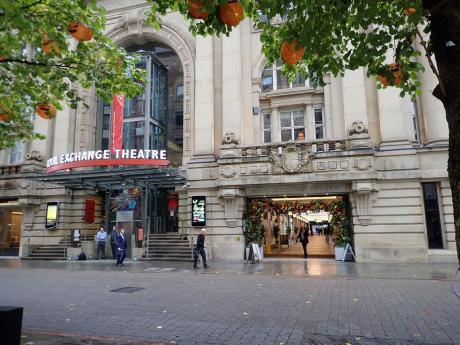
A play in Manchester was cancelled due to divisive ideological disputes. This reflects a climate of censorship and the invasion of dogmatic viewpoints, neither healthy.
9 September 2024
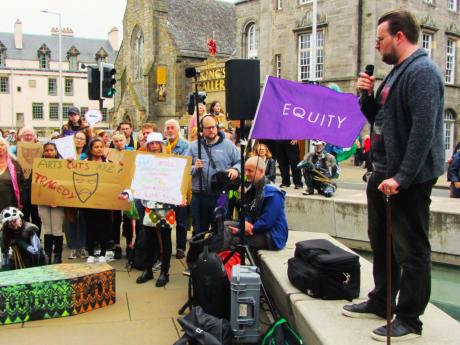
Creative workers in Scotland celebrate reversal of budget cuts by the SNP administration, but warn that the campaign to sustain arts must continue.
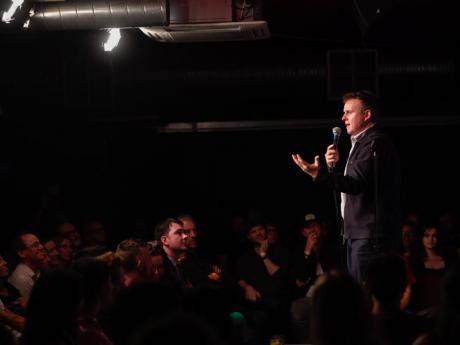
Comedy Unleashed – a home for those who leave self-censorship at the door – has finally made it to Manchester. Workers interviews the Manchester residents who worked to make it happen…

25 August 2021
Post-war Britain was beset by problems. For the majority of people, life was hard and difficult. The 1951 Festival of Britain was an antidote, looking to the future. It was immensely enjoyed and appreciated by the millions who attended.
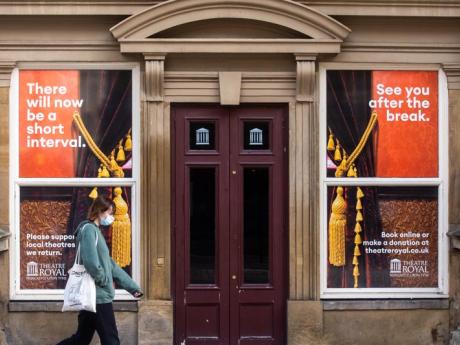
While a significant minority in the cultural industries cried (literally) over their imagined loss through Brexit, coronavirus succeeded in uniting the country around a cause all corners of Britain could agree on: survival…
5 June 2020
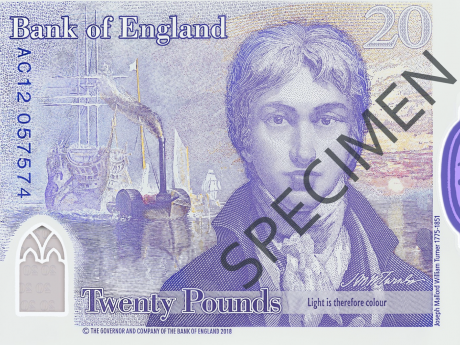
The new £20 note and its subject, JMW Turner, are celebrated in a lecture about Turner as an artist and his understanding of Britain and industry. A minature piece of art and tehnology displayed by our sovereign currency!
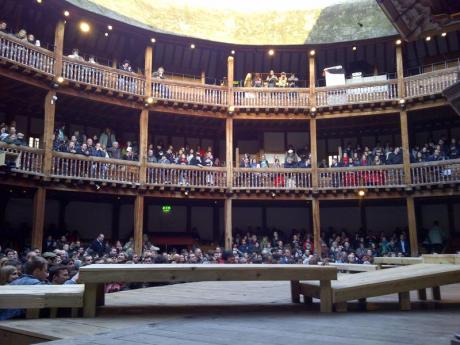
Workers in the creative industries across Britain have sparked their trade unions into urgent action to save jobs for the future, act on behalf of freelancers threatened with destitution and safeguard the pay and conditions of full-time employees who are “furloughed”.
16 April 2020
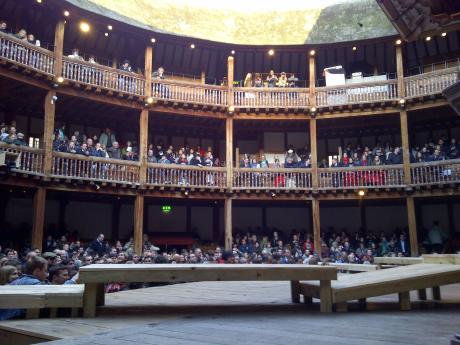
Workers in the creative industries across Britain have sparked their trade unions into urgent action to save jobs for the future.
12 September 2016
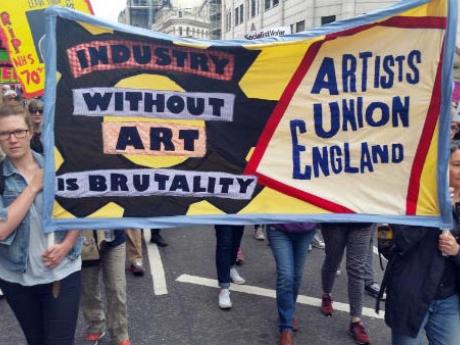
The Artists’ Union of England, launched in London and Newcastle two years ago with advice based on the Scottish Artists’ Union Rule Book, has just been granted certification.
1 March 2016
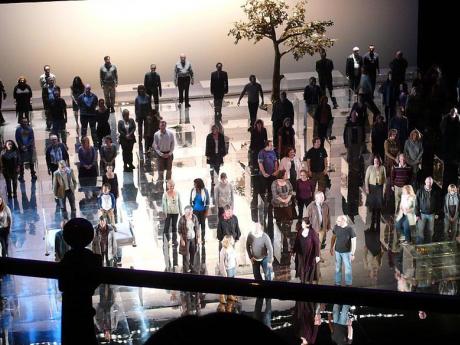
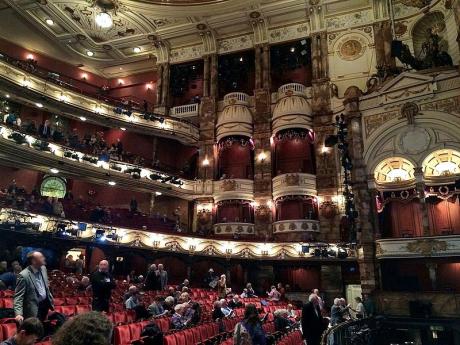
Members of the Equity union at the English National Opera in London have voted unanimously to strike over pay cuts and new contracts.
There is no alternative to fighting when it comes to pay. And then fight some more. Unions in the arts sector have a difficult job, especially where there is no continuous history of struggle.
20 October 2015
Unions in London are waiting to hear whether the English National Opera grant has been saved from redistribution: in short, whether proper national funding will continue.
25 May 2015
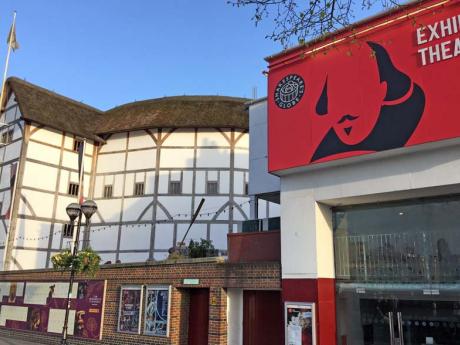
Guides at London’s Globe Theatre are preparing for their second day of strike action over pay. The 38 tour guides have been in dispute since 2014, fighting for pay parity with similar prestigious organisations.
Should the arts be expected to create capital, and capital expected to fund the arts? Or are the arts an essential human function that ultimately cannot be controlled by capital?
No matter how hard it tries to push a private/public partnership agenda, the Warwick report cannot escape the key role of state education in developing the creativity and curiosity of students.