
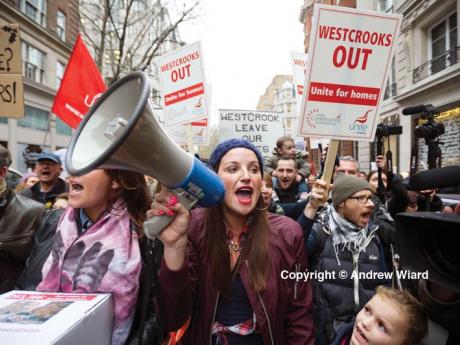
How to house Britain
Housing has become a case of satisfying the greed of a tiny minority of capitalist speculators. And “build more houses” is not the answer to the housing shortage. Here are some alternatives…
If you don’t agree that foreign investors should buy up swathes of London you are “economically illiterate”, says London Mayor Boris Johnson.

The G20 summit in Brisbane, Australia, in November made good TV: Russian President Putin as the naughty boy isolated by the other 19 countries, which took it in turns to call him names, forcing him to leave early. But it wasn't like that at all.
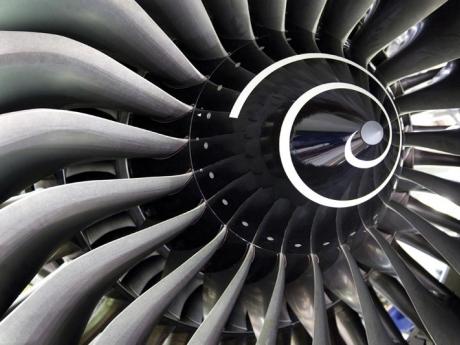
In November Rolls-Royce announced proposals to reduce its Aerospace Division workforce by 2,600 jobs worldwide over the next 18 months.
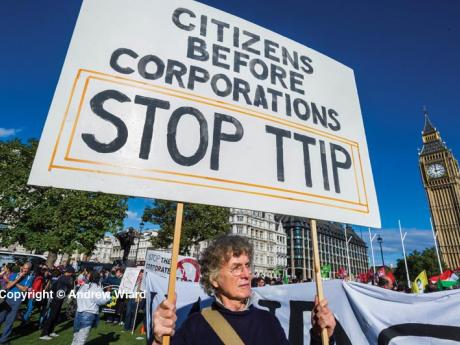
At last, a sea change is taking place in the thinking of the unions on TTIP, the Transatlantic Trade and Investment Partnership treaty being negotiated between the European Union and the US.
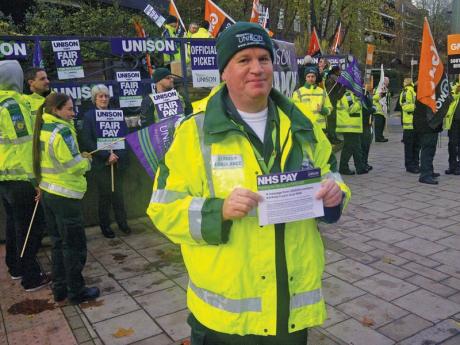
Health workers will have to decide whether to meekly acquiesce in a continuous reduction of earnings or find a way to do what generations of workers before them have done: fight to improve pay.
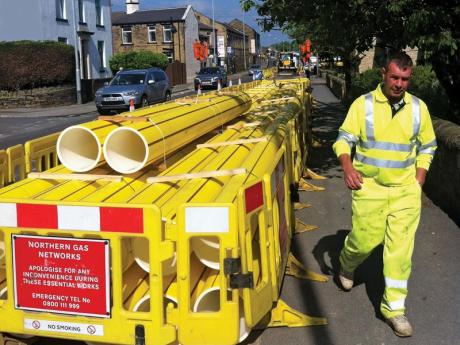
Occupied countries learn the hard lesson that when you lose something it can be difficult, and often impossible, to get it back later.
It is delusional to think that any body other than workers themselves can prevent the extraordinary rendition of Britain that TTIP represents.
The stark conclusions of a detailed academic study on the economic effects of TTIP seem to have shaken some unions out of their complacency about the deal.

More than two-thirds of Britain’s rail network is now run by foreign state-owned companies – given to them not just by Westminster, but the false nationalists in Holyrood as well…

The defeat of separatism in the referendum has spurred some regeneration in Scottish shipyards. But the challenge remains: how to rebuild a vital industry laid waste by decades of contraction…
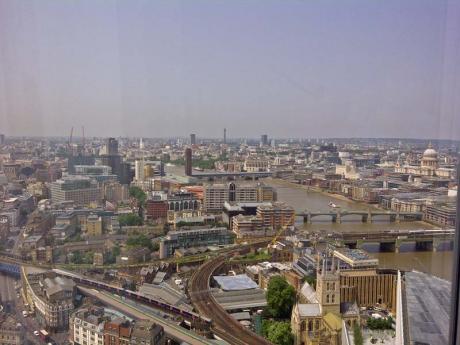
The Scottish referendum stimulated local authorities in England to look to their own version of fragmentation…
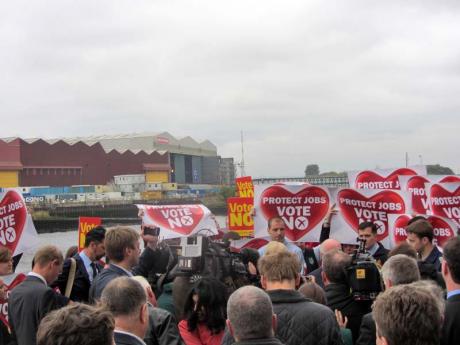
19 September was a great day, a great victory – a day of unity when the people of Scotland finally spoke and buried the narrow aspirations of separatism…

Is the US trying to push the EU into war with Russia? It’s starting to look like it…
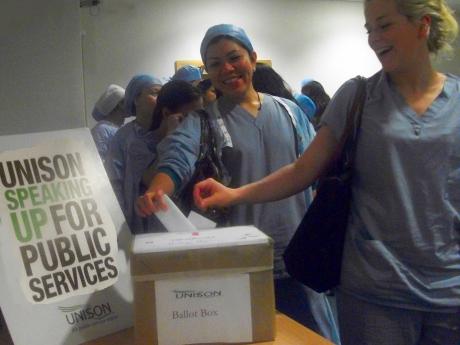
People who work in health know that low levels of service provision over the weekend put patients’ lives in danger. The problem is how to move to 7-day provision while preserving wages and conditions…

A Glasgow concert for unity formed part of the campaign to keep Britain together by promoting the No vote in the Scottish referendum.
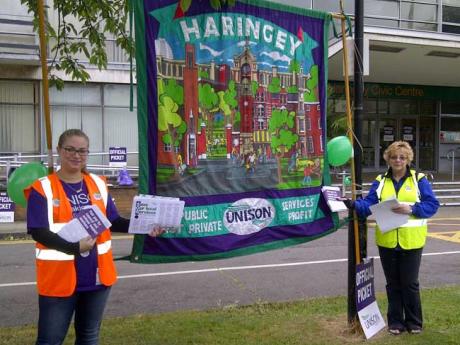
We need to destroy the pay freeze and put wages centre stage. But in preparations for Congress the real focus has been on the next general election.

Organisations with “British” in their name ought to be concerned that they could lose this identity and be diminished if the Yes opinion wins September’s referendum on independence for Scotland, says composer Eddie McGuire.

The “Trojan Horse” inquiry indicated that people with a shared ideology were out to control schools’ governing bodies. That’s also happening in some academy chains.
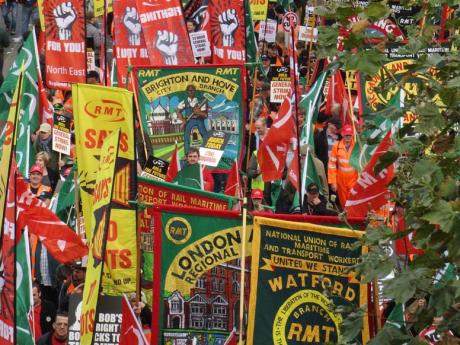
Wage labour and capitalist practices became the norm in English agriculture centuries earlier than elsewhere. This prevalence of wage labour in the countryside was a vital precursor of the industrial revolution and probably a key trigger for it.
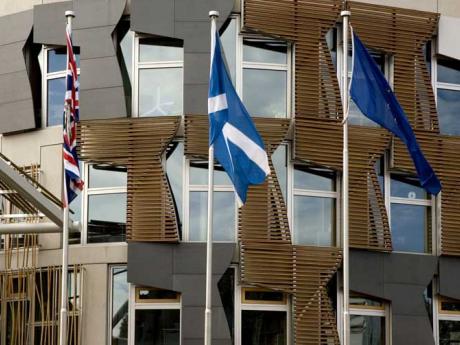
The Scottish referendum is an attempt to turn the growing desire in Britain to be an independent country into its opposite, for Britain to be partitioned instead.

Scotland is a world leader in the highly competitive arena of biomedical research – and it is becoming increasingly clear that separation could cause immense harm to Scotland’s research base.
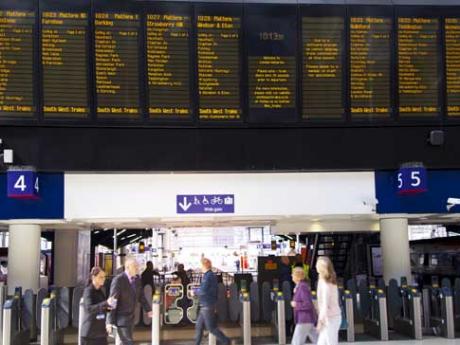
The franchise to run the heavily used Thameslink service for seven years has gone to a company partly owned by French state railway operator SNCF...
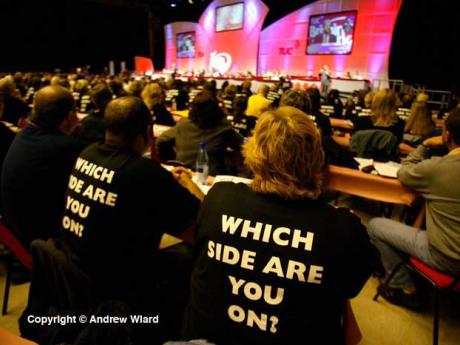
In the first of a two-part analysis of class in the 21st century, Workers dismisses the notion that class is dead. In fact it is central to making sense out of our day-to-day experiences and the world at large.
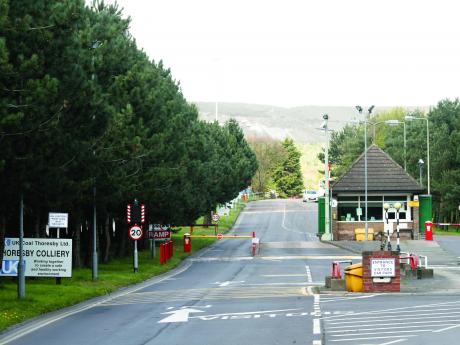
Britain’s coal industry is to be reduced to one deep pit and a handful of opencast mines. While the government drags its feet and the opposition remains silent, it falls to organised labour to put energy security on the agenda…

The aerospace industry is a jewel in the crown of our high-tech manufacturing and a big source of skilled jobs. But there are clouds on the horizon.
On the military side, Rolls-Royce has a $49 million contract to establish an engine maintenenace facility at Tinker Air Force Base, Oklahoma.
WARNING: If what follows sounds complicated, it’s because it is. The government has made its loans so complex that most students don’t really know what they are signing up for.

For many of today’s students a university place has become the first step on a ladder of debt that will be with them for the whole of their working lives.
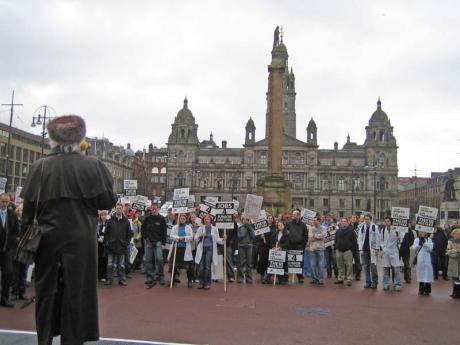
Next year’s referendum can become an opportunity for the British working class to rebuild and revitalise our country...